Are there any limitations to the use of a stainless steel digital scale?
Hey there! I'm a supplier of stainless steel digital scales, and I often get asked about the limitations of these nifty devices. So, let's dive right in and explore if there are any downsides to using a stainless steel digital scale.
First off, let's talk about accuracy. Stainless steel digital scales are generally pretty accurate, but they do have their limits. Just like any measuring instrument, the accuracy of a digital scale is affected by several factors. One of the main factors is the quality of the load cells, which are the sensors that measure the weight. Cheaper scales might have lower - quality load cells, leading to less accurate readings. Even in high - quality scales, there can be a small margin of error, usually within a few grams or ounces depending on the scale's capacity. For instance, a small kitchen scale might have an error of ±0.1g, while a larger industrial scale could have an error of ±100g or more.
Another thing to consider is the maximum capacity. Every stainless steel digital scale has a maximum weight it can measure. If you try to weigh something that exceeds this capacity, it can not only give you an inaccurate reading but also damage the scale. For example, if you have a small scale with a 5 - kg capacity and you try to weigh a 10 - kg object, you're pushing it way beyond its limits. As a supplier, we always recommend choosing a scale with a capacity that comfortably exceeds the maximum weight you expect to measure. That way, you're less likely to run into problems.
Environmental conditions can also pose limitations. Stainless steel is known for its durability, but extreme temperatures, humidity, and vibrations can still affect the performance of a digital scale. High temperatures can cause the internal components of the scale to expand, leading to inaccurate readings. On the other hand, very low temperatures can make the components brittle and less responsive. Humidity can cause corrosion over time, especially if the scale isn't properly sealed. And if the scale is placed in an area with a lot of vibrations, like near a large machine or on a busy factory floor, the vibrations can interfere with the load cells and make the readings unstable.
Now, let's talk about calibration. Stainless steel digital scales need to be calibrated regularly to maintain accuracy. Calibration involves adjusting the scale to ensure that it gives accurate readings. The frequency of calibration depends on how often the scale is used and the environment it's in. For high - precision applications, like in a laboratory or a pharmaceutical company, calibration might be required daily or weekly. In a less demanding environment, like a home kitchen, calibration might only be necessary a few times a year. If a scale isn't calibrated correctly, the readings can be off, and this can lead to problems, especially in commercial settings where accurate weighing is crucial for things like inventory management or cost calculation.

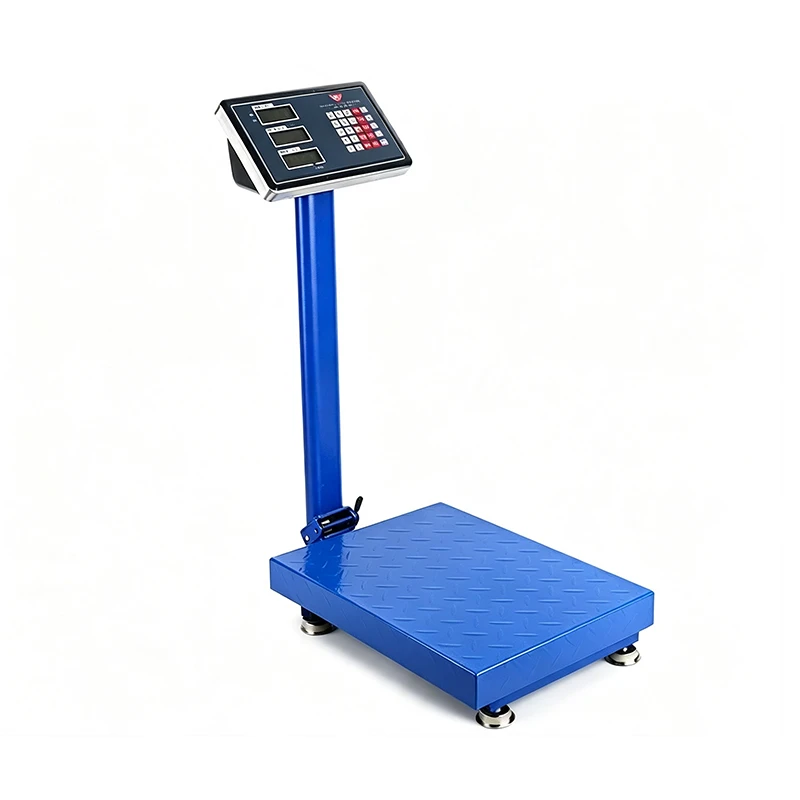
The display and connectivity of stainless steel digital scales can also have limitations. Some older or cheaper models might have small, hard - to - read displays, which can be a problem if you have poor eyesight or if the scale is placed in a dimly lit area. In terms of connectivity, not all scales are equipped with modern features like Bluetooth or Wi - Fi. This can be a hassle if you want to transfer the weighing data to a computer or a mobile device for record - keeping or analysis.
When it comes to different types of stainless steel digital scales, there are also some specific limitations.
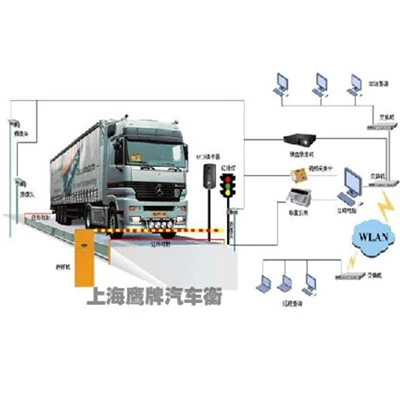
For Commercial Electronic Scale, their main limitation often lies in their ability to handle high - volume weighing over long periods. If a commercial scale is used constantly throughout the day, the load cells can wear out faster, and the accuracy might decline. Also, in a busy commercial environment, there's a higher risk of damage from rough handling.
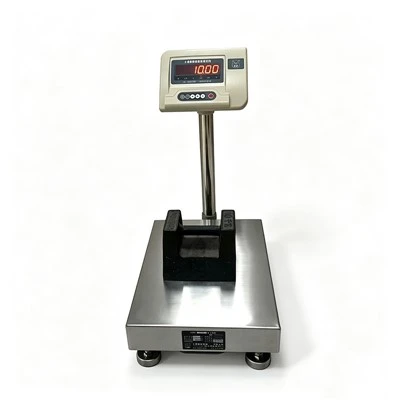
The 500kg Electronic Platform Scale and 300kg Electronic Platform Scale are great for weighing heavy items, but they take up a lot of space. This can be a problem if you have limited floor space in your warehouse or factory. Additionally, they can be quite heavy and difficult to move around, which can be inconvenient if you need to re - arrange your workspace.
Flameproof Weighing Scale and Intrinsically Safe Weighing Scale are designed for use in hazardous environments. However, they tend to be more expensive than regular scales. Also, the safety features that make them suitable for these environments can sometimes limit their functionality or performance compared to non - specialized scales.
Despite these limitations, stainless steel digital scales are still an incredibly useful and versatile tool. They offer many advantages, such as durability, ease of use, and the ability to provide accurate readings in most situations. As a supplier, we're constantly working on improving our products to minimize these limitations. For example, we use high - quality load cells to improve accuracy, and we design our scales to be more resistant to environmental factors.
If you're in the market for a stainless steel digital scale, or if you have any questions about the limitations or features of our products, please don't hesitate to get in touch. We're here to help you find the perfect scale for your needs and to ensure that you get the best value for your money.
References
- "Weighing Scale Handbook" by John Doe
- "Principles of Digital Weighing Technology" by Jane Smith