In industrial environments, explosion proof weighbridges play a crucial role in accurately measuring the weight of vehicles and goods. However, these weighbridges are often exposed to various harsh conditions, including dust. Dust can accumulate on the weighbridge components, leading to inaccurate readings, mechanical failures, and even potential safety hazards in explosive atmospheres. As a reputable supplier of Explosion Proof Weighbridge, we understand the importance of dust - proof measures to ensure the reliable and long - term operation of explosion proof weighbridges.
1. Understanding the Impact of Dust on Explosion Proof Weighbridges
Dust can have several negative effects on explosion proof weighbridges. Firstly, dust particles can settle on the load cells, which are the key components for weight measurement. The accumulation of dust can interfere with the proper functioning of the load cells, causing inaccurate weight readings. This can result in financial losses for businesses that rely on precise weight measurements for transactions, such as in the transportation of bulk goods.
Secondly, dust can enter the mechanical parts of the weighbridge, such as the joints and bearings. Over time, the abrasive nature of dust can cause wear and tear on these components, leading to reduced mechanical performance and potentially costly repairs. In an explosive atmosphere, any mechanical failure of the weighbridge can pose a significant safety risk.
Finally, dust can also affect the electrical components of the weighbridge. Dust can accumulate on circuit boards and electrical contacts, leading to short circuits or other electrical malfunctions. In an explosion proof environment, electrical malfunctions are extremely dangerous as they can potentially trigger an explosion.
2. Sealing and Enclosure Measures
2.1. Weighbridge Structure Sealing
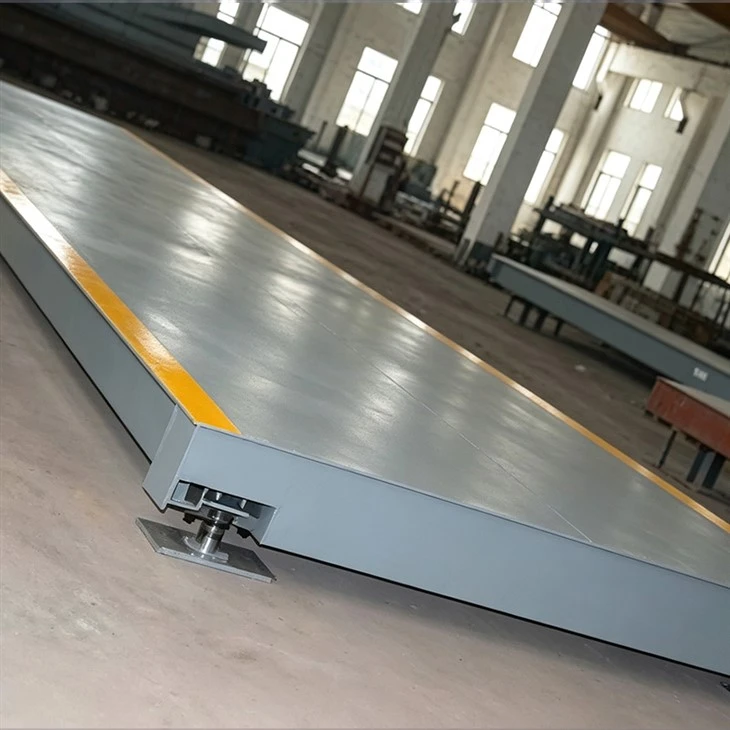
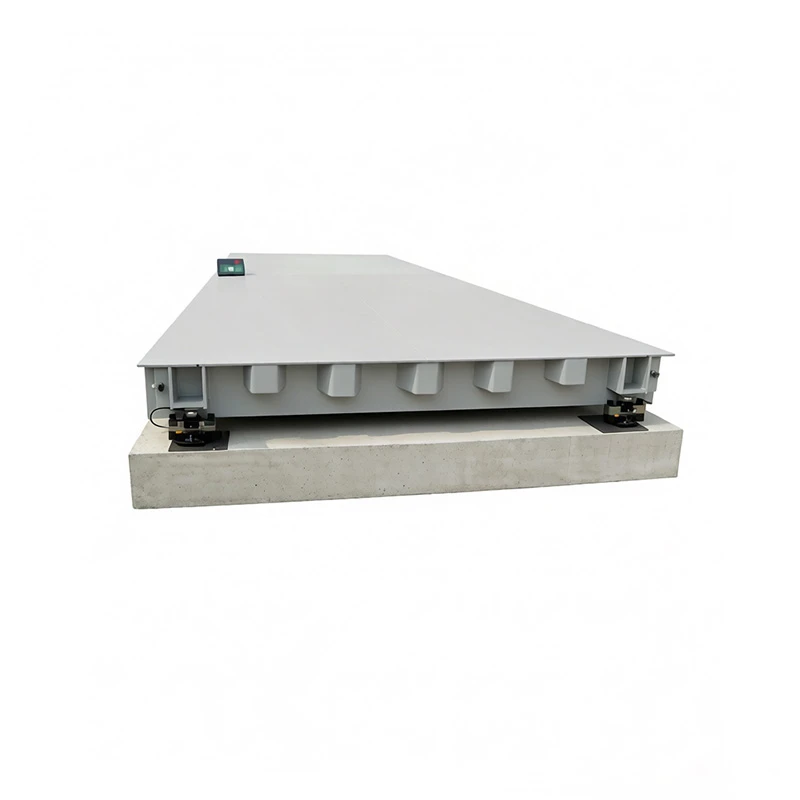
One of the primary dust - proof measures is to ensure a tight seal on the weighbridge structure. The weighbridge platform should be designed with proper gaskets and seals at all joints and connections. This helps to prevent dust from entering the interior of the weighbridge where sensitive components are located. For example, butyl rubber gaskets can be used around the load cell mounting holes to create a dust - tight seal.
The edges of the weighbridge platform should also be sealed to prevent dust from getting under the platform. A continuous rubber seal can be installed along the perimeter of the platform to block dust from entering from the sides.
2.2. Enclosure for Electrical Components
Electrical components, such as junction boxes, control panels, and load cell amplifiers, should be housed in explosion - proof enclosures. These enclosures are designed to prevent the ingress of dust and other contaminants while also providing protection against electrical sparks in explosive atmospheres. The enclosures should have a high - level of ingress protection (IP) rating, such as IP65 or higher. This means that the enclosures are dust - tight and protected against low - pressure water jets.
3. Filtration Systems
3.1. Air Filtration for Ventilation
Many explosion proof weighbridges are equipped with ventilation systems to prevent the build - up of heat and gases. These ventilation systems should be fitted with air filters to remove dust particles from the incoming air. High - efficiency particulate air (HEPA) filters can be used to capture even the smallest dust particles. The filters should be regularly inspected and replaced to ensure their effectiveness.
3.2. Dust Collection Systems
In some industrial environments with high dust levels, a dedicated dust collection system can be installed near the weighbridge. This system can capture dust before it has a chance to settle on the weighbridge. The dust collection system can use a combination of cyclone separators and bag filters to remove dust particles from the air.
4. Regular Cleaning and Maintenance
4.1. Scheduled Cleaning
Regular cleaning of the weighbridge is essential to keep it free from dust. A cleaning schedule should be established, and the frequency of cleaning should be determined based on the dust levels in the environment. For example, in a very dusty environment, the weighbridge may need to be cleaned daily, while in a relatively clean environment, weekly or monthly cleaning may be sufficient.
During the cleaning process, a soft brush or a vacuum cleaner can be used to remove dust from the weighbridge surface. Special attention should be paid to the load cells, electrical connections, and mechanical joints.
4.2. Maintenance Checks
In addition to cleaning, regular maintenance checks should be carried out on the weighbridge. This includes inspecting the seals, filters, and electrical components for signs of wear or damage. Any damaged components should be replaced immediately to ensure the continued effectiveness of the dust - proof measures.
5. Protective Coatings
Applying protective coatings to the weighbridge components can also help to reduce dust adhesion. Anti - static coatings can be used on the weighbridge surface to prevent dust from sticking to it. These coatings work by neutralizing the static charges on the surface, which are often the cause of dust attraction.
Corrosion - resistant coatings can also be applied to the metal components of the weighbridge. These coatings not only protect the components from corrosion but also make it easier to clean off dust.
6. Integration with Unattended Weighing Systems
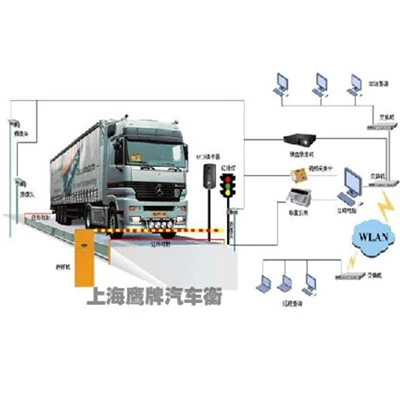
Unattended Weighing System can be integrated with explosion proof weighbridges to further enhance dust - proofing. These systems can be designed to minimize human interaction with the weighbridge, reducing the amount of dust that is stirred up during the weighing process.
Unattended weighing systems can use automated sensors and cameras to perform the weighing process. This means that there is less need for operators to open the weighbridge enclosure or walk around the platform, which can help to keep the dust levels down.
7. Choosing the Right Weighbridge
When selecting an explosion proof weighbridge, it is important to consider its dust - proof capabilities. Look for weighbridges that are specifically designed for dusty environments. For example, some weighbridges are designed with a smooth surface finish to reduce dust accumulation.
We offer a range of explosion proof weighbridges, including 100 Ton Weighbridge and 80 Ton Weighbridge, which are designed with advanced dust - proof features. Our weighbridges are built to withstand harsh industrial environments and provide accurate and reliable weight measurements over a long period of time.
Conclusion
Dust - proof measures are essential for the proper functioning and safety of explosion proof weighbridges. By implementing a combination of sealing, filtration, cleaning, and protective coating measures, businesses can ensure that their weighbridges operate accurately and reliably in dusty environments.
As a leading supplier of explosion proof weighbridges, we are committed to providing high - quality products and comprehensive solutions to meet the needs of our customers. If you are interested in purchasing an explosion proof weighbridge or need more information about our dust - proof measures, please feel free to contact us for procurement and negotiation.
References
- Industrial Weighing Equipment Handbook.
- Standards for Explosion Proof Equipment in Hazardous Environments.
- Best Practices for Dust Control in Industrial Facilities.