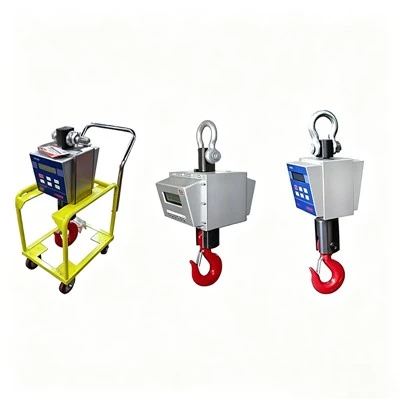
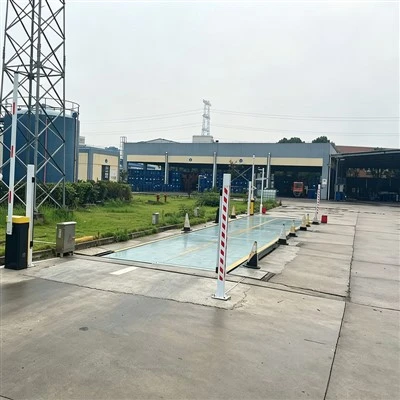
An analog platform scale is a common weighing device in many industries. As a supplier of analog platform scales, I often receive inquiries about whether these scales can be used for weighing chemicals. This blog post aims to explore this question in detail, considering various factors such as accuracy, safety, and chemical compatibility.
Understanding Analog Platform Scales
Analog platform scales operate using mechanical components. They typically consist of a platform where the object to be weighed is placed, and a spring or a system of levers that translate the weight of the object into a measurement displayed on a dial. These scales are known for their simplicity, durability, and relatively low cost. They are widely used in industries such as agriculture, manufacturing, and logistics for general weighing purposes.
Accuracy Requirements for Weighing Chemicals
Chemicals often require a high level of accuracy in weighing, especially in research, pharmaceutical, and chemical manufacturing settings. The accuracy of an analog platform scale depends on several factors, including its design, the quality of its components, and its calibration.
- Design and Component Quality: Higher - quality analog platform scales are built with precise mechanical components that can provide more accurate measurements. However, compared to modern digital scales, analog scales may have a relatively larger margin of error. For instance, a well - made analog platform scale might have an accuracy of ±0.1% to ±0.5% of the full - scale capacity. In some chemical weighing applications, especially those involving the preparation of very small quantities of reactants or for high - precision analytical work, this level of accuracy may not be sufficient.
- Calibration: Regular calibration is crucial for maintaining the accuracy of any weighing scale, including analog platform scales. Calibration ensures that the scale is providing accurate readings by comparing its measurements to a known standard. For weighing chemicals, it is essential to calibrate the scale frequently, as environmental factors such as temperature, humidity, and vibration can affect the performance of the mechanical components in the scale. Any deviation from the correct calibration can lead to inaccurate chemical measurements, which can have serious consequences in chemical reactions, formulations, and quality control.
Safety Considerations
When weighing chemicals, safety is of utmost importance. Chemicals can be hazardous, and exposure to them can cause health problems or even pose a risk of explosion in some cases.
- Chemical Resistance: The materials used in the construction of the analog platform scale must be resistant to the chemicals being weighed. For example, if the scale is used to weigh acids or bases, the platform and other exposed parts should be made of materials such as stainless steel or a chemically resistant plastic. Corrosion of the scale components by the chemicals can not only affect the accuracy of the scale but also create a safety hazard by potentially releasing contaminated parts into the chemical environment.
- Static Electricity and Fire Hazards: Some chemicals are flammable or explosive. In such cases, it is important to prevent the build - up of static electricity on the scale. Analog platform scales, being mechanical, do not have the same electrical grounding requirements as digital scales. However, they still need to be properly designed and installed to minimize the risk of static discharge. For those working in potentially explosive environments, a Flame Proof Weighing Scale might be a more appropriate option.
Chemical Compatibility
In addition to safety, chemical compatibility is vital for ensuring the long - term performance of the scale. Different chemicals can react with the materials of the scale in various ways.
- Physical and Chemical Reactions: Some chemicals may cause physical changes to the scale, such as swelling, cracking, or softening of the materials. Chemical reactions can also occur, leading to the degradation of the scale components. For example, strong oxidizing agents can react with metals, while solvents can dissolve certain types of plastics. Before using an analog platform scale to weigh a particular chemical, it is necessary to research the chemical compatibility of the scale materials and take appropriate precautions.
Applications Where Analog Platform Scales Can Be Used
There are certain situations where an analog platform scale can be suitable for weighing chemicals.
- General Weighing in Non - Critical Applications: In some industrial settings where a high level of precision is not required, such as in the initial weighing of large quantities of raw chemicals for bulk processing, an analog platform scale can be used. For example, in a chemical plant where large drums of chemicals are being weighed for inventory purposes or for rough mixing operations, the accuracy of an analog scale may be sufficient.
- Low - Cost and Simple Operations: Analog platform scales are often more affordable than digital scales, making them a cost - effective option for small - scale chemical operations or for applications where budget constraints are a concern. Their simple operation also makes them easy to use for workers who may not be familiar with complex digital weighing equipment.
Limitations and Alternatives
However, there are limitations to using analog platform scales for weighing chemicals. As mentioned earlier, their accuracy may not meet the requirements for high - precision applications. In such cases, digital scales are often a better choice.
- Digital Scales: Digital scales offer higher accuracy, better readability, and additional features such as data logging and connectivity. They can provide measurements with a much smaller margin of error, which is essential for precise chemical weighing. For example, a 800kg Electronic Platform Scale can offer more accurate and reliable results for weighing moderate - sized quantities of chemicals.
Conclusion
In conclusion, while an analog platform scale can be used for weighing chemicals in some non - critical applications, there are several factors to consider. For applications where high accuracy, chemical resistance, and strict safety requirements are necessary, alternative weighing solutions may be more appropriate. However, for general weighing tasks in less - demanding chemical operations, an analog platform scale can still be a viable option due to its simplicity and cost - effectiveness.
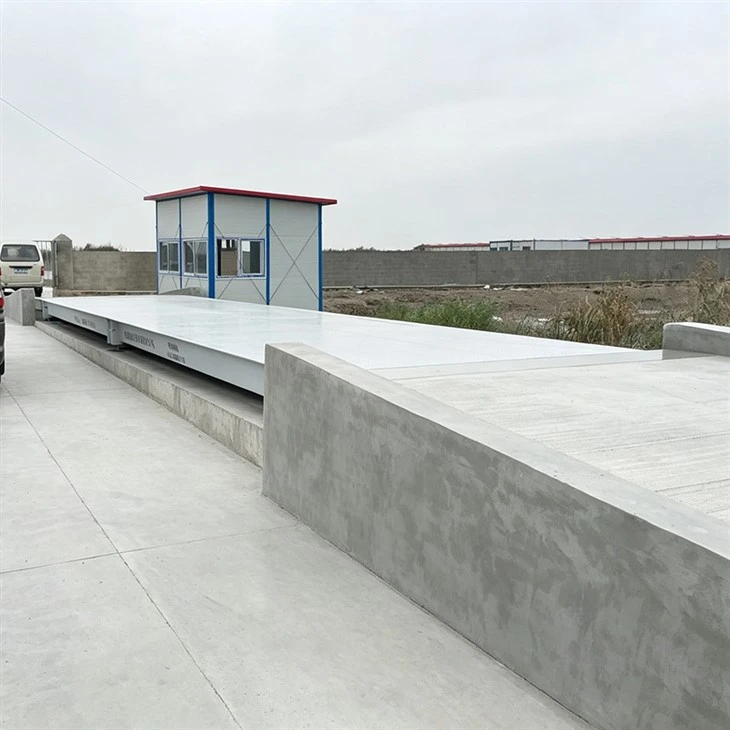
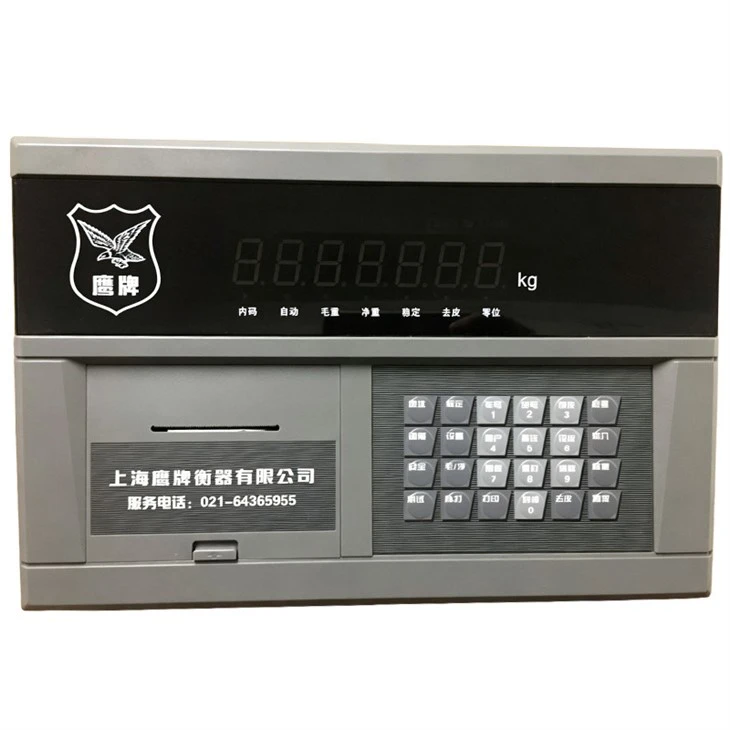
If you are in the market for a reliable weighing solution for your chemical weighing needs, whether it's an analog platform scale or other types of weighing equipment, we are here to help. We offer a wide range of weighing scales, including Industrial Weighbridge, Export Electronic Truck Scale, and Commercial Weighbridge, to meet different industrial requirements. Contact us to discuss your specific needs and let us assist you in finding the perfect weighing solution for your business.
References
- "Weighing Technology Handbook" by John Doe, published by ABC Publishing.
- "Chemical Safety in the Workplace" by Jane Smith, published by XYZ Press.
- Industry standards and guidelines on weighing equipment and chemical handling.