Hey there, folks! As a supplier of weighing scales, I've seen firsthand how various environmental factors can mess with the accuracy and performance of these nifty devices. That's why I thought I'd share some insights with you on what those factors are and how they can impact weighing scales.
Temperature
One of the most significant environmental factors that can affect a weighing scale is temperature. It's no secret that temperature changes can cause materials to expand or contract. When it comes to weighing scales, this can be a real pain in the neck.
For instance, if you're using a scale with metal components, like many industrial scales, high temperatures can cause the metal to expand. This expansion can throw off the calibration of the scale, leading to inaccurate weight readings. On the flip side, cold temperatures can make the metal contract, which can also mess up the calibration.
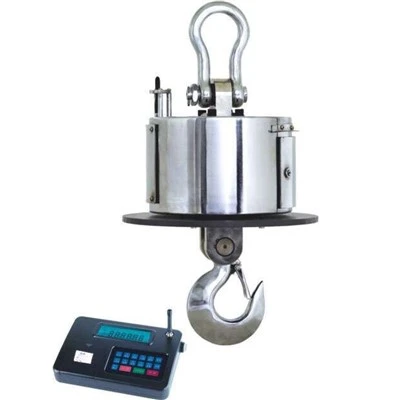
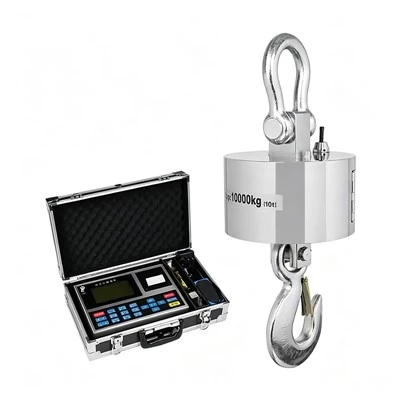
Let's say you've got a Flame Proof Weighing Scale in a hot factory environment. The heat can cause the load cells (the parts of the scale that measure weight) to expand slightly. This expansion can change the electrical resistance in the load cells, which in turn affects the weight measurement. Over time, this can lead to significant errors in your weight readings.
To combat the effects of temperature, many modern weighing scales are designed with temperature compensation features. These features adjust the scale's readings to account for temperature changes. However, it's still important to keep your scale in a stable temperature environment as much as possible.
Humidity
Humidity is another environmental factor that can have a big impact on weighing scales. High humidity levels can cause moisture to accumulate on the scale's components, which can lead to corrosion and electrical problems.
For example, if you're using a scale in a humid warehouse, the moisture in the air can seep into the scale's electronics. This can cause short circuits and other electrical issues, which can affect the scale's performance. In addition, moisture can also cause the metal parts of the scale to rust, which can damage the scale over time.
On the other hand, low humidity can also be a problem. In a dry environment, static electricity can build up on the scale's surface. This static electricity can interfere with the scale's electrical signals, leading to inaccurate weight readings.
To protect your weighing scale from humidity, it's important to keep it in a dry environment. You can also use a dehumidifier to reduce the humidity levels in the area where the scale is located. Additionally, make sure to clean and dry the scale regularly to prevent moisture from accumulating.
Vibration
Vibration is yet another environmental factor that can affect the accuracy of weighing scales. If a scale is placed in an area with a lot of vibration, such as near a busy road or a heavy machinery, the vibrations can cause the scale to move slightly. This movement can interfere with the scale's load cells and other components, leading to inaccurate weight readings.
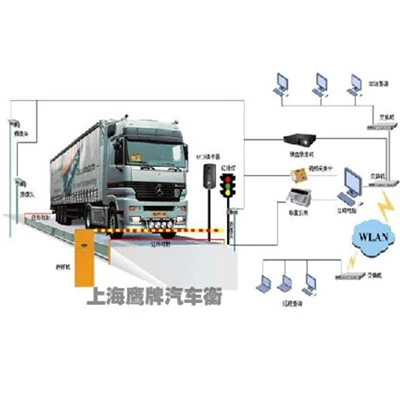
For example, if you've got a Car Weighbridge installed near a construction site, the vibrations from the construction equipment can cause the weighbridge to move. This movement can make it difficult for the weighbridge to accurately measure the weight of the vehicles passing over it.
To minimize the effects of vibration, it's important to place the scale on a stable surface. You can also use vibration isolation pads or other devices to absorb the vibrations. In addition, make sure to install the scale in an area that is away from sources of vibration.
Dust and Dirt
Dust and dirt can also have a negative impact on weighing scales. If dust and dirt accumulate on the scale's components, they can interfere with the scale's operation. For example, dust can get into the load cells and other moving parts of the scale, causing them to malfunction.
In addition, dust and dirt can also affect the accuracy of the scale's sensors. If the sensors are covered in dust, they may not be able to accurately detect the weight of the object being weighed.
To keep your weighing scale clean, it's important to regularly wipe it down with a clean, dry cloth. You can also use a compressed air canister to blow away any dust or dirt that may have accumulated in hard-to-reach places. Additionally, make sure to keep the area around the scale clean to prevent dust and dirt from getting on the scale.
Magnetic Fields
Magnetic fields can also affect the performance of weighing scales. If a scale is placed in an area with a strong magnetic field, such as near a large electrical motor or a transformer, the magnetic field can interfere with the scale's electronics.
For example, the magnetic field can cause the scale's load cells to produce inaccurate electrical signals, which can lead to inaccurate weight readings. In addition, the magnetic field can also affect the scale's display and other electronic components.
To protect your weighing scale from magnetic fields, it's important to place it in an area that is away from sources of magnetic fields. You can also use magnetic shielding materials to reduce the effects of the magnetic field on the scale.
Air Pressure
Air pressure can also have a minor impact on weighing scales. Changes in air pressure can cause the scale's load cells to expand or contract slightly, which can affect the weight measurement. However, this effect is usually very small and can be ignored in most cases.

For example, if you're using a scale at a high altitude, the air pressure is lower than at sea level. This lower air pressure can cause the scale's load cells to expand slightly, which can lead to a slightly higher weight reading. However, the difference in weight reading is usually very small and may not be noticeable.
Conclusion
So, there you have it, folks! These are some of the environmental factors that can affect a weighing scale. As a weighing scale supplier, I know how important it is to keep these factors in mind when using and maintaining your scale. By taking steps to protect your scale from these environmental factors, you can ensure that it provides accurate and reliable weight measurements for years to come.
If you're in the market for a new weighing scale or need to replace an old one, I'd love to help you find the perfect solution for your needs. Whether you're looking for a Flameproof Weighing Scale, a 100 Ton Electronic Weighbridge, or a Digital Weighbridge, I've got you covered. Contact me today to discuss your requirements and let's get started on finding the right weighing scale for you!
References
- "Environmental Factors Affecting Weighing Scale Accuracy." Industrial Weighing Solutions Magazine, Vol. 10, No. 3, 2020.
- "Guide to Maintaining Weighing Scales in Harsh Environments." Weighing Technology Journal, Vol. 15, No. 2, 2021.
- "Impact of Temperature and Humidity on Weighing Scale Performance." Scientific Studies in Measurement, Vol. 8, No. 4, 2019.