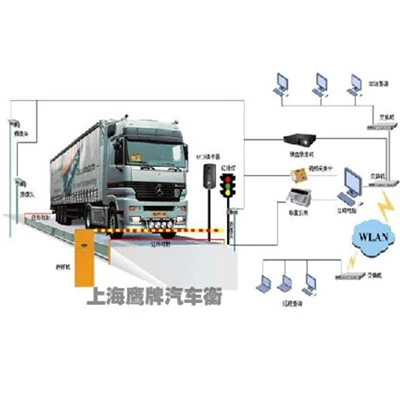
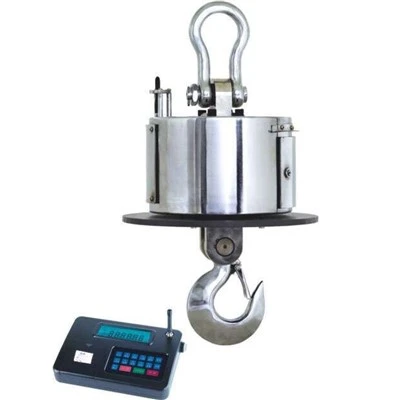
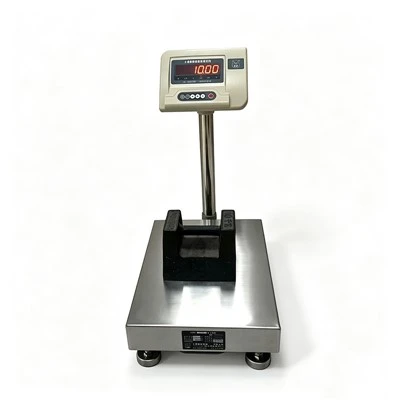
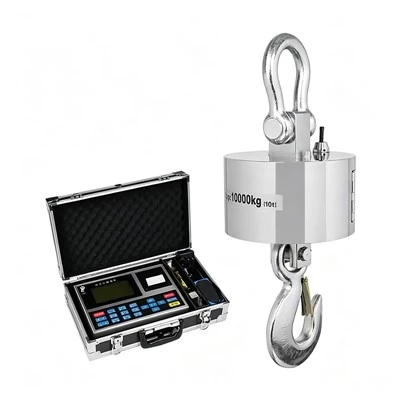
As a trusted supplier of automated weighbridges, I understand the significance of maintaining these precision instruments in optimal condition. Regular cleaning is not only essential for the longevity of the equipment but also crucial for ensuring accurate and reliable weight measurements. In this blog post, I'll share comprehensive insights into how to clean an automated weighbridge, drawing on my experience in the industry and the needs of our customers.
Understanding the Importance of Cleaning
Automated weighbridges are exposed to a variety of environmental factors and substances during their operation. Dust, dirt, debris, and even corrosive materials can accumulate on the surface of the weighbridge and its components over time. This buildup not only affects the appearance of the equipment but can also have a detrimental impact on its performance.
Accumulated dirt and debris can interfere with the load cells, which are responsible for measuring the weight of the objects on the weighbridge. Even a small amount of foreign material can cause inaccurate readings, leading to errors in weighing and potential financial losses. Additionally, corrosion can weaken the structure of the weighbridge, compromising its safety and stability.
Regular cleaning helps to prevent these issues by removing dirt, debris, and corrosive substances from the surface of the weighbridge and its components. This not only ensures accurate weight measurements but also extends the lifespan of the equipment, reducing the need for costly repairs and replacements.
Preparing for Cleaning
Before you begin cleaning an automated weighbridge, it's important to take the necessary precautions to ensure your safety and the safety of the equipment. Here are some steps to follow:
- Turn off the power: Before cleaning the weighbridge, make sure to turn off the power supply to prevent any electrical shocks or damage to the equipment.
- Remove any vehicles or objects: Clear the weighbridge of any vehicles or objects to ensure that you have full access to the surface and components for cleaning.
- Gather the necessary cleaning supplies: You'll need a variety of cleaning supplies, including a broom, dustpan, pressure washer, mild detergent, scrub brush, and clean towels. Make sure to choose cleaning products that are suitable for use on the materials of the weighbridge and its components.
- Wear protective gear: To protect yourself from dust, debris, and cleaning chemicals, wear appropriate protective gear, such as gloves, safety glasses, and a dust mask.
Cleaning the Surface of the Weighbridge
The surface of the weighbridge is the most visible part of the equipment and is prone to accumulating dirt, debris, and stains. Here's how to clean it effectively:
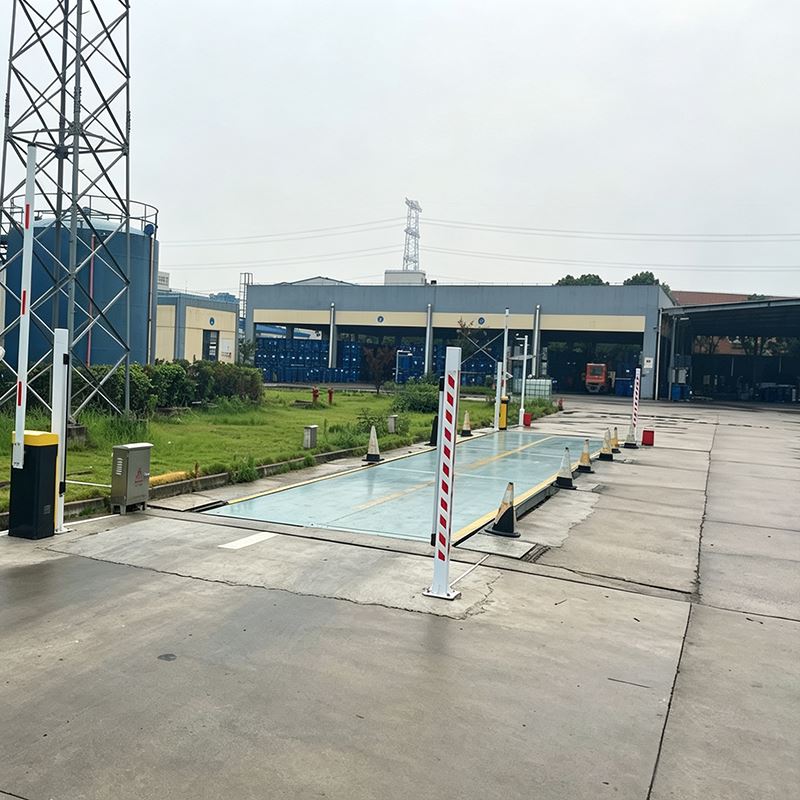
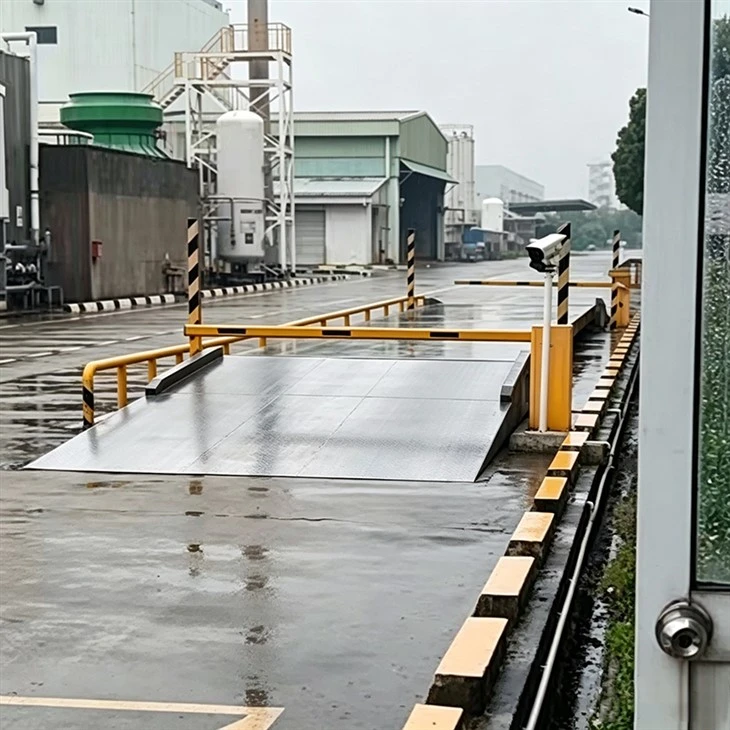
- Sweep the surface: Start by using a broom to sweep the surface of the weighbridge to remove any loose dirt, debris, or leaves. Pay special attention to the edges and corners of the weighbridge, where dirt tends to accumulate.
- Use a pressure washer: If the surface of the weighbridge is heavily soiled, you can use a pressure washer to remove the dirt and debris. Make sure to use a low-pressure setting and a wide-angle nozzle to avoid damaging the surface of the weighbridge. Keep the pressure washer at a safe distance from the surface of the weighbridge and move it in a back-and-forth motion to ensure even cleaning.
- Apply a mild detergent: For stubborn stains or dirt, you can apply a mild detergent to the surface of the weighbridge. Use a scrub brush to gently scrub the surface in a circular motion to loosen the dirt and stains. Rinse the surface thoroughly with clean water to remove the detergent and any remaining dirt.
- Dry the surface: After cleaning the surface of the weighbridge, use a clean towel or a squeegee to dry the surface to prevent water spots and corrosion.
Cleaning the Load Cells
The load cells are the most critical components of an automated weighbridge, as they are responsible for measuring the weight of the objects on the weighbridge. Here's how to clean them:
- Inspect the load cells: Before cleaning the load cells, inspect them for any signs of damage or wear. Look for cracks, leaks, or other visible signs of damage. If you notice any issues, contact a professional technician for repair or replacement.
- Remove any dirt or debris: Use a soft brush or compressed air to remove any dirt, dust, or debris from the surface of the load cells. Be careful not to damage the load cells or their wiring.
- Clean the load cell connections: The connections between the load cells and the weighbridge controller are also important for accurate weight measurements. Use a clean cloth and a small amount of electrical contact cleaner to clean the connections. Make sure to dry the connections thoroughly before reconnecting them.
- Calibrate the load cells: After cleaning the load cells, it's important to calibrate them to ensure accurate weight measurements. Follow the manufacturer's instructions for calibrating the load cells, or contact a professional technician for assistance.
Cleaning the Weighbridge Controller
The weighbridge controller is the brain of the automated weighbridge system, as it processes the weight data from the load cells and displays it on the screen. Here's how to clean it:
- Turn off the power: Before cleaning the weighbridge controller, make sure to turn off the power supply to prevent any electrical shocks or damage to the equipment.
- Remove the cover: If the weighbridge controller has a cover, remove it carefully to access the internal components.
- Clean the internal components: Use a compressed air canister to blow out any dust or debris from the internal components of the weighbridge controller. Be careful not to damage the components or their wiring.
- Clean the display screen: Use a clean cloth and a small amount of screen cleaner to clean the display screen. Make sure to dry the screen thoroughly before turning on the power.
- Reassemble the controller: After cleaning the internal components and the display screen, reassemble the weighbridge controller and replace the cover.
Cleaning the Surrounding Area
In addition to cleaning the weighbridge itself, it's also important to clean the surrounding area to prevent dirt, debris, and moisture from accumulating on the weighbridge. Here's how to clean the surrounding area:
- Sweep the area: Use a broom to sweep the area around the weighbridge to remove any loose dirt, debris, or leaves. Pay special attention to the drainage channels and the access ramps, where dirt tends to accumulate.
- Clean the drainage channels: The drainage channels are important for preventing water from accumulating on the weighbridge. Use a pressure washer or a hose to clean the drainage channels and remove any dirt or debris.
- Check the access ramps: The access ramps are used to drive vehicles onto and off the weighbridge. Check the access ramps for any signs of damage or wear, such as cracks or uneven surfaces. If you notice any issues, repair or replace the access ramps as needed.
Frequency of Cleaning
The frequency of cleaning an automated weighbridge depends on a variety of factors, such as the environment in which the weighbridge is located, the amount of traffic it receives, and the type of materials being weighed. In general, it's recommended to clean the weighbridge at least once a month to prevent dirt, debris, and corrosion from accumulating on the surface and its components.
However, if the weighbridge is located in a particularly dusty or dirty environment, or if it receives a high volume of traffic, it may need to be cleaned more frequently. It's also important to clean the weighbridge immediately after any spills or contaminants are detected to prevent damage to the equipment.
Conclusion
Cleaning an automated weighbridge is an important part of its maintenance and care. By following the steps outlined in this blog post, you can ensure that your weighbridge is clean, safe, and functioning properly. Remember to take the necessary precautions to protect yourself and the equipment, and to follow the manufacturer's instructions for cleaning and maintenance.
If you're in the market for an Automated Weighbridge System or a Manless Weighbridge, we're here to help. Our team of experts can provide you with the information and support you need to choose the right weighbridge for your needs and budget. Contact us today to learn more about our products and services and to start a conversation about your purchase.
References
- Manufacturer's manuals for automated weighbridges
- Industry best practices for weighbridge maintenance and cleaning