Troubleshooting a stainless steel bench scale that isn't functioning properly can be a daunting task, especially when you rely on it for accurate measurements in your business or industry. As a leading supplier of high - quality stainless steel bench scales, I understand the challenges you face and am here to guide you through the troubleshooting process.
1. Initial Checks
The first step in troubleshooting any non - working scale is to perform some basic checks. Begin by examining the power source. If your scale is battery - powered, make sure the batteries are new or fully charged. Weak batteries can cause erratic readings or prevent the scale from turning on at all. On the other hand, if your scale is plugged into an electrical outlet, check if the outlet is working. You can use a different electrical device to test the outlet.
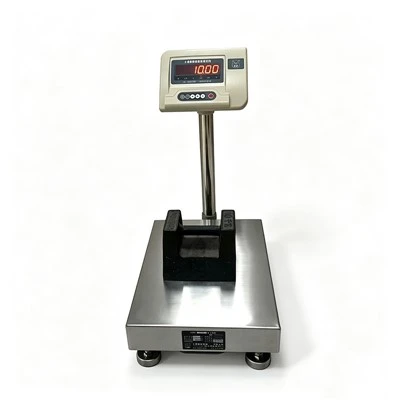
Next, look at the scale's display. Is it blank, or are there error messages? A blank display could indicate a power issue or a problem with the display itself. Error messages can provide valuable clues about what's going wrong. For example, an "OVER" message might mean the load on the scale exceeds its maximum capacity.
Inspect the scale for any visible damage, such as cracks or dents, especially on the weighing platform. Physical damage can affect the accuracy of the scale's measurements. Even a small crack could cause the platform to be uneven, leading to inaccurate readings.
2. Calibration Issues
Calibration is crucial for the accurate operation of a stainless steel bench scale. If your scale is giving inconsistent or inaccurate readings, it might be out of calibration. Most modern scales have a calibration function that can be accessed through a series of button presses. However, before you attempt to calibrate the scale, make sure you have the correct calibration weights.
To calibrate the scale, follow the manufacturer's instructions carefully. Usually, you'll need to place a known weight on the scale and then use the calibration buttons to adjust the scale so that it displays the correct weight. If you're unsure how to calibrate the scale, refer to the user manual or contact our support team.
It's important to note that calibration should be done regularly, especially if the scale is used frequently or in harsh environments. Environmental factors such as temperature, humidity, and vibration can all affect the calibration of the scale.
3. Sensor Problems
The load cells or sensors are the heart of a bench scale. These sensors convert the weight of the object on the scale into an electrical signal that is then displayed on the scale's screen. If the sensors are damaged or malfunctioning, the scale will not work properly.
One way to check if the sensors are working is to perform a simple load test. Place a known weight on different parts of the weighing platform. If the scale gives different readings for the same weight depending on where it is placed, there might be an issue with the sensors.
Another possible cause of sensor problems is overloading the scale. If the scale is frequently subjected to weights that exceed its maximum capacity, the sensors can be damaged. In such cases, the sensors may need to be replaced. As a supplier, we offer high - quality replacement sensors for our stainless steel bench scales.
4. Communication and Connectivity
Many modern stainless steel bench scales come with connectivity options, such as USB, RS - 232, or Bluetooth. If your scale is connected to a computer or other device and is not transmitting data correctly, there could be a communication issue.
First, check the cables if you're using a wired connection. Make sure they are properly plugged in and not damaged. If you're using a wireless connection, check the pairing settings on both the scale and the connected device. Sometimes, interference from other wireless devices can disrupt the connection. Try moving the scale and the connected device away from other wireless sources and then attempt to pair them again.
5. Software and Firmware
Some scales have built - in software or firmware that controls their functions. Outdated software or firmware can cause various problems, including inaccurate readings or a non - responsive display.
Check the manufacturer's website to see if there are any software or firmware updates available for your scale model. Download and install the updates following the provided instructions. This can often resolve many of the issues related to software glitches.
6. Environmental Factors
Stainless steel bench scales are designed to be durable, but they can still be affected by the environment in which they are used. Extreme temperatures can cause the components of the scale to expand or contract, leading to inaccurate readings. High humidity can also cause corrosion, especially on the electrical components.
If possible, move the scale to a more suitable environment. Keep the scale away from direct sunlight, heat sources, and areas with high humidity. Additionally, make sure the scale is placed on a stable and level surface. An uneven surface can affect the accuracy of the scale's measurements.
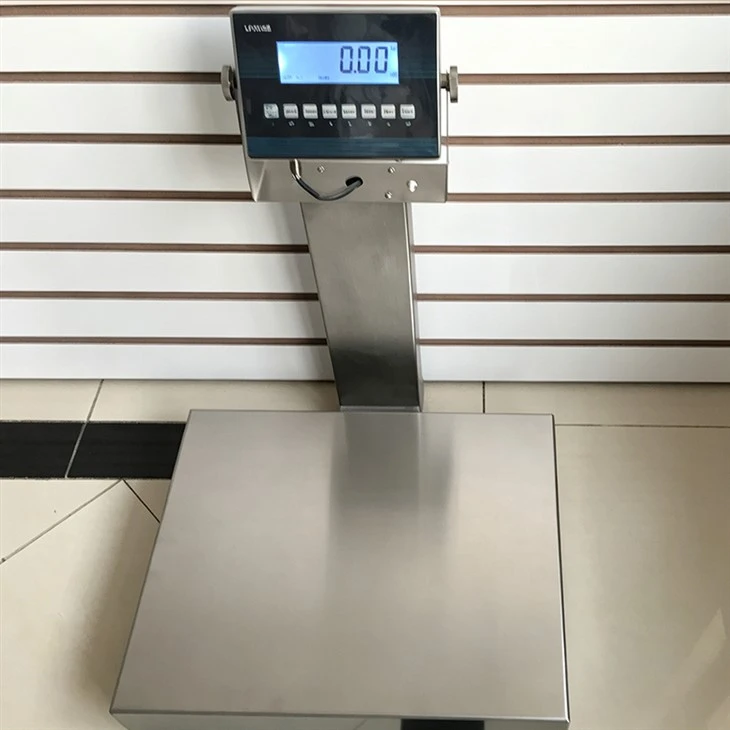

7. Other Related Products
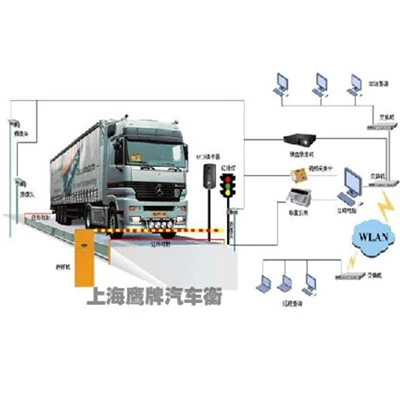
In addition to stainless steel bench scales, we also offer a wide range of other weighing products that might meet your needs. For example, if you're looking for a larger - capacity weighing solution, you might be interested in our 30 Ton Electronic Weighbridge. This weighbridge is suitable for weighing heavy vehicles and large loads.
Our SS Platform Scale is another great option for industrial applications. It has a large weighing platform and is made of high - quality stainless steel, ensuring durability and accuracy.
If you need a weighing solution for a commercial vehicle, our Commercial Weighbridge is designed to provide reliable and accurate measurements.
For those who prefer digital scales, we offer Stainless Steel Digital Scale with advanced features such as high precision and easy - to - read displays.
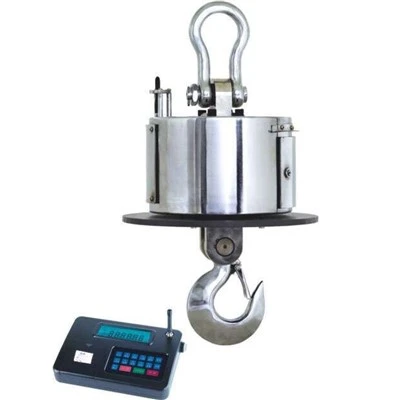
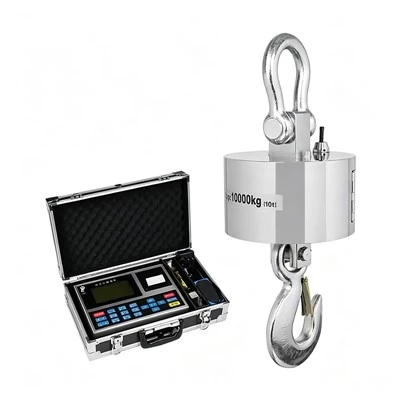
And if you need a more flexible weighing solution, our Wireless Weighing Scale allows you to take measurements without the hassle of cables.
Conclusion
Troubleshooting a stainless steel bench scale that is not working properly requires a systematic approach. By performing initial checks, addressing calibration issues, checking the sensors, ensuring proper communication and connectivity, updating software and firmware, and considering environmental factors, you can often resolve the problem.
If you're still having trouble with your scale after trying these troubleshooting steps, don't hesitate to contact us. As a supplier, we have a team of experts who can provide further assistance and support. Whether you need replacement parts, calibration services, or advice on choosing the right weighing solution, we're here to help. We invite you to reach out to us for further discussions on your weighing requirements and to explore our range of products for potential procurement.
References
- "Weighing Scale Handbook", General Weighing Industry Publications
- Manufacturer's User Manuals for Stainless Steel Bench Scales