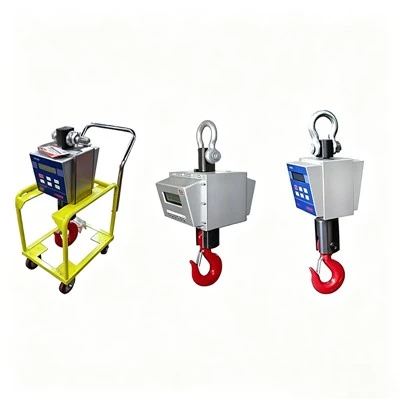
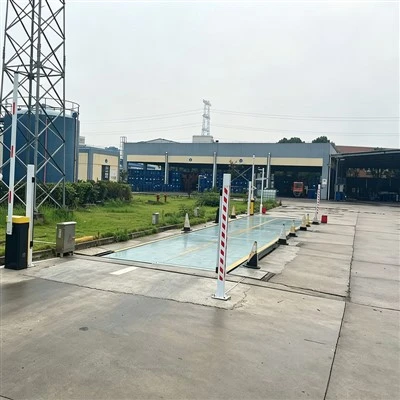
As a supplier of IoT weighing scales, I've been deeply involved in the industry, witnessing the rapid evolution of technology in weighing solutions. One of the most pressing questions that often comes up in discussions with clients, industry peers, and regulatory bodies is whether IoT weighing scales are compliant with industry standards. This blog aims to explore this topic in depth, providing insights from both the supplier's and the user's perspectives.
The Significance of Industry Standards in Weighing Solutions
Industry standards in the weighing sector aren't just bureaucratic formalities; they are the cornerstone of a reliable and trustworthy weighing ecosystem. These standards ensure that weighing scales are accurate, consistent, and safe for use across various applications, from industrial and commercial to laboratory settings.
Accuracy is perhaps the most critical aspect of weighing. In industries where goods are bought, sold, or processed based on weight, even the slightest deviation can lead to significant financial losses or legal disputes. For instance, in the agriculture sector, when grains are sold by weight, an inaccurate scale can result in farmers receiving less money for their produce or buyers paying more than they should.
Consistency is another vital factor. When multiple weighing scales are used in a supply chain, they need to provide the same results under similar conditions. This helps in maintaining quality control, ensuring fair trade, and facilitating seamless operations.
Safety standards are also of utmost importance, especially in industrial settings where large and heavy objects are weighed. IoT weighing scales need to be designed and built to withstand the rigors of the environment, prevent accidents, and protect the operators.
IoT Weighing Scales: A New Era of Weighing Technology
The advent of the Internet of Things (IoT) has revolutionized the weighing industry. IoT weighing scales are equipped with sensors, connectivity features, and data analytics capabilities that allow them to communicate with other devices, systems, and platforms. This connectivity enables real-time monitoring, remote control, and data-driven decision-making.
For example, in a logistics company, IoT weighing scales can be integrated with the inventory management system. As soon as a package is weighed, the weight data is automatically transmitted to the system, updating the inventory records and triggering alerts if there are any discrepancies. This not only improves efficiency but also reduces the risk of human error.
However, the integration of IoT technology into weighing scales has also introduced new challenges in terms of compliance with industry standards. Traditional weighing standards were primarily focused on mechanical and electrical aspects, such as the accuracy of the load cell and the stability of the scale. With IoT weighing scales, additional factors need to be considered, such as data security, privacy, and interoperability.
Compliance Challenges for IoT Weighing Scales
One of the main challenges in ensuring the compliance of IoT weighing scales with industry standards is the complexity of the technology. IoT devices are often a combination of hardware, software, and connectivity components, each of which needs to meet specific standards.
Data security is a major concern. The data collected by IoT weighing scales, such as weight measurements, timestamps, and user information, is valuable and needs to be protected from unauthorized access, modification, and disclosure. This requires the implementation of robust security measures, such as encryption, authentication, and access control.
Privacy is another critical aspect. Users have the right to know how their data is being collected, used, and shared. IoT weighing scale suppliers need to be transparent about their data practices and comply with relevant privacy regulations, such as the General Data Protection Regulation (GDPR) in the European Union.
Interoperability is also a challenge. IoT weighing scales need to be able to communicate with other devices and systems in a seamless and standardized manner. This requires the adoption of common protocols and interfaces, which may not always be easy to implement, especially in a diverse and rapidly evolving technological landscape.
How Our IoT Weighing Scales Ensure Compliance
At our company, we take compliance with industry standards very seriously. We understand that our customers rely on our weighing scales to provide accurate, reliable, and safe results. That's why we have implemented a comprehensive quality management system that covers every aspect of our product development, from design and manufacturing to testing and certification.
In terms of accuracy, our IoT weighing scales are calibrated using state-of-the-art equipment and procedures. We follow the strictest international standards, such as OIML (International Organization of Legal Metrology) and NIST (National Institute of Standards and Technology), to ensure that our scales provide precise measurements.
For data security, we have implemented multiple layers of protection. Our weighing scales use encrypted communication protocols to transmit data, and we have strict access control policies in place to prevent unauthorized access to our systems. We also conduct regular security audits and penetration testing to identify and address any potential vulnerabilities.
When it comes to privacy, we are committed to being transparent and compliant. We provide clear and concise privacy policies to our customers, explaining how their data is collected, used, and shared. We also obtain their consent before collecting any personal information and ensure that we only use the data for the purposes for which it was collected.
In terms of interoperability, we actively participate in industry standards organizations and contribute to the development of common protocols and interfaces. Our IoT weighing scales are designed to be compatible with a wide range of devices and systems, making it easy for our customers to integrate them into their existing infrastructure.
Our Range of IoT Weighing Scales
We offer a diverse range of IoT weighing scales to meet the needs of different industries and applications. Here are some of our popular products:
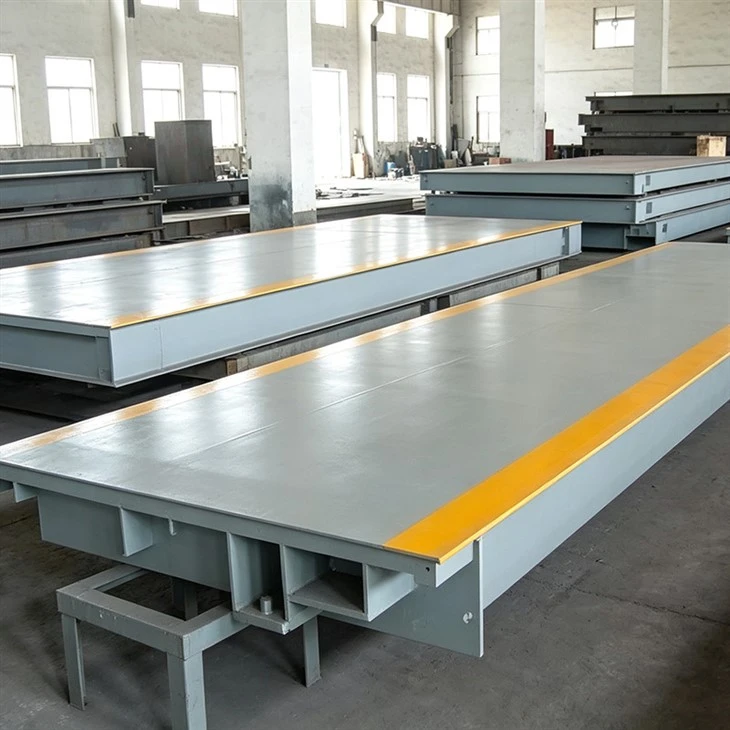

- 30 Ton Electronic Weighbridge: Ideal for weighing heavy vehicles, such as trucks and trailers, in industries like transportation, logistics, and mining.
- 150kg Electronic Platform Scale: Suitable for general weighing applications in commercial and industrial settings, such as warehouses, factories, and retail stores.
- 150 Ton Electronic Truck Scale: Designed for weighing large trucks and other heavy vehicles in industries that require high-capacity weighing solutions.
- Automated Truck Scales: These scales offer automated weighing and data collection capabilities, improving efficiency and reducing the need for manual intervention.
- Portable Platform Scale: Perfect for applications where portability is essential, such as field research, mobile weighing, and temporary weighing sites.
Conclusion and Call to Action
In conclusion, IoT weighing scales offer significant benefits in terms of efficiency, accuracy, and data-driven decision-making. However, ensuring their compliance with industry standards is crucial to maintain the trust of users and the integrity of the weighing ecosystem.
As a leading supplier of IoT weighing scales, we are committed to providing high-quality products that meet or exceed industry standards. Our comprehensive quality management system, combined with our expertise in IoT technology, ensures that our weighing scales are not only accurate and reliable but also secure and compliant.
If you're interested in learning more about our IoT weighing scales or have any questions about industry compliance, we invite you to reach out to us. Our team of experts is ready to assist you in finding the perfect weighing solution for your specific needs. Contact us today to start a conversation about your weighing requirements and explore how our IoT weighing scales can enhance your operations.
References
- International Organization of Legal Metrology (OIML). (Year). International Recommendations for Weighing Instruments.
- National Institute of Standards and Technology (NIST). (Year). Handbook 44 - Specifications, Tolerances, and Other Technical Requirements for Weighing and Measuring Devices.
- General Data Protection Regulation (GDPR). (2016). Regulation (EU) 2016/679 of the European Parliament and of the Council.